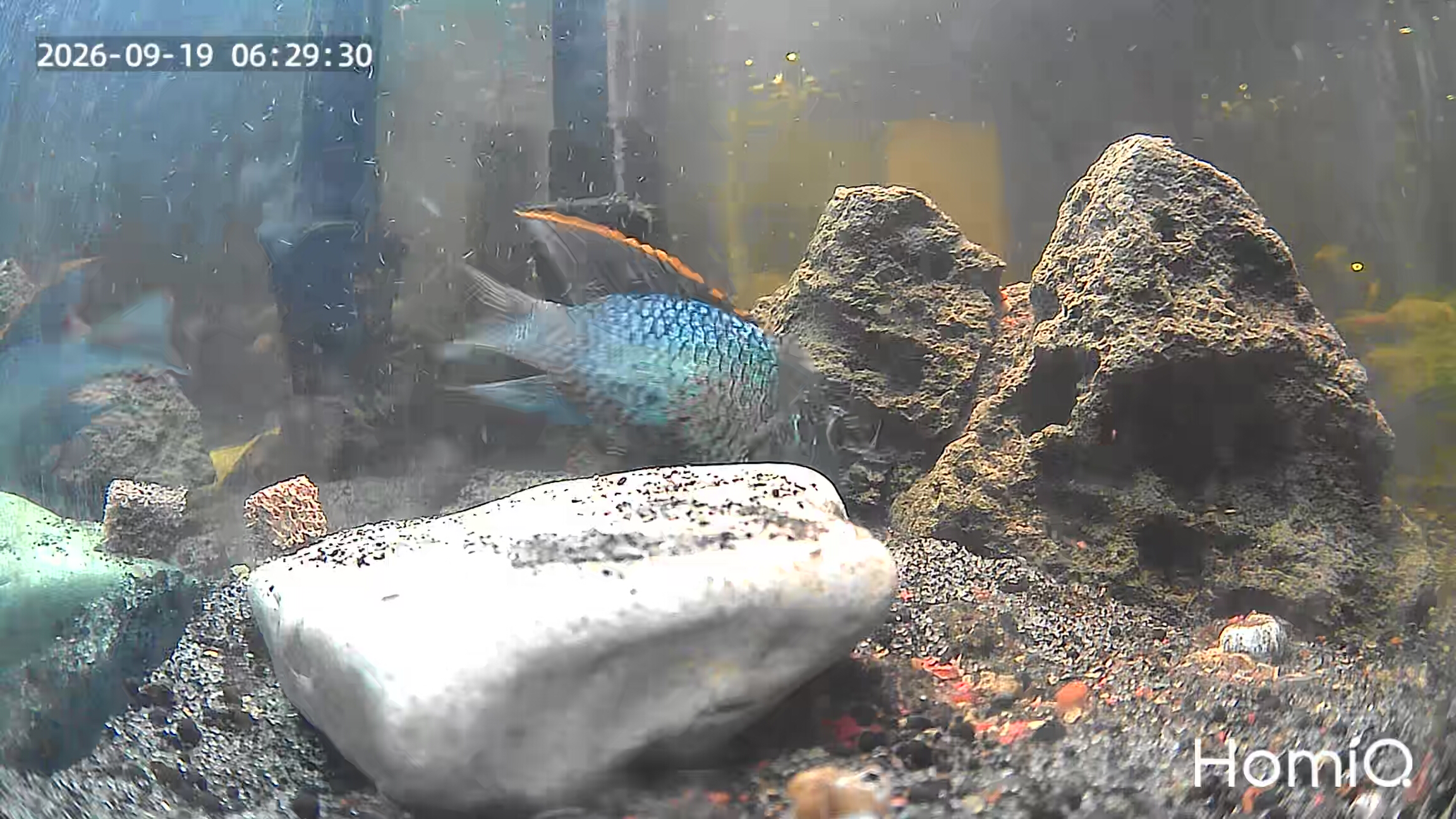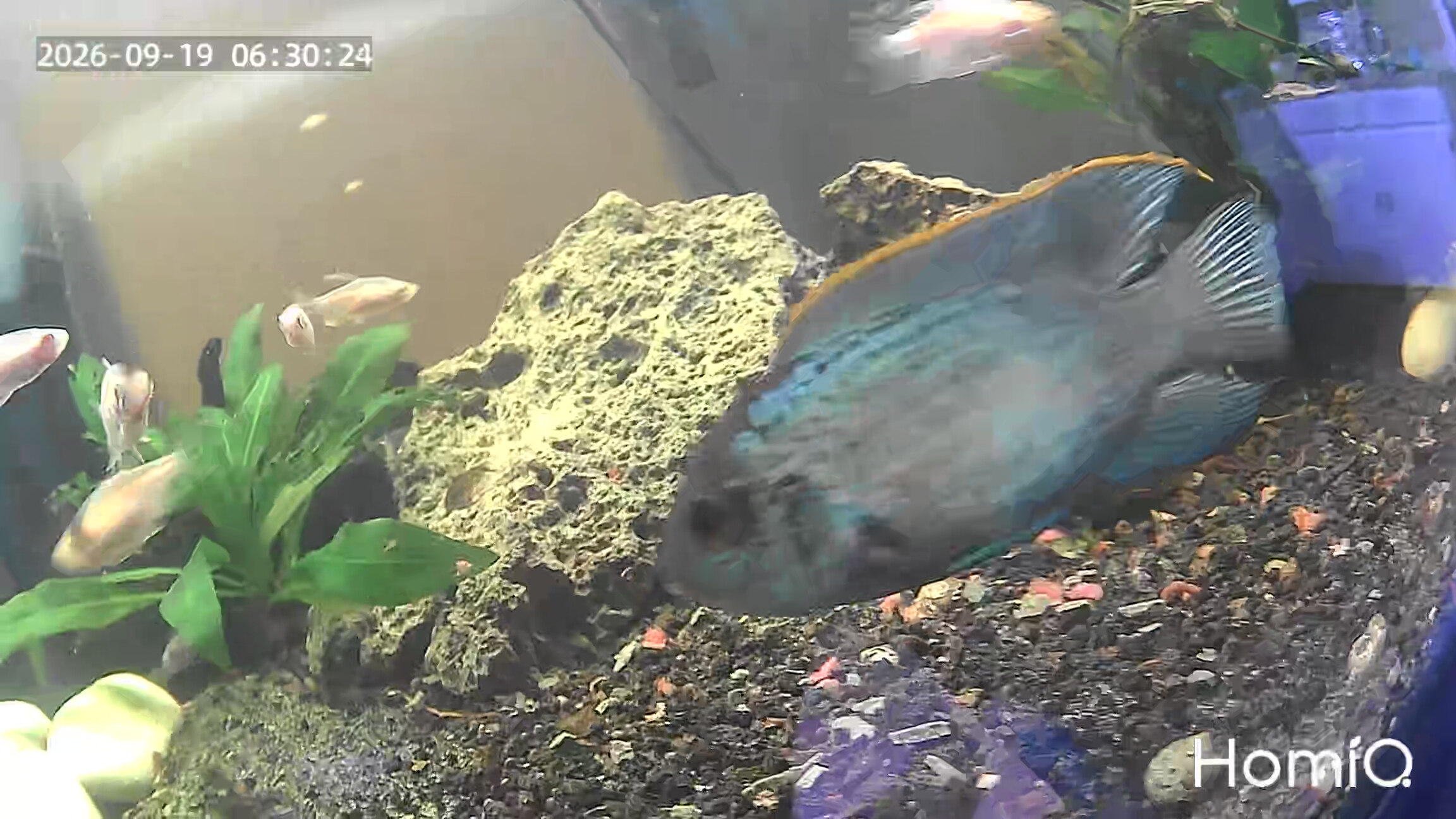
Our Breeding Project
Our cichlid breeding program at DSS Aquatics covers South American cichlids, distinctive aquarium hybrids, and the individual projects that don’t fit neatly anywhere else — currently headlined by our Electric Blue Acara project and a proven pair of blue parrot hybrids. We breed cichlids because few fish match their parental care: watching a pair fan eggs, defend wrigglers, and shepherd free-swimming fry is the most engaging behavior in the hobby, and it gives us rich material for the care and breeding guides we publish. What makes this project notable is our emphasis on repeat spawns. A single accidental spawn proves little; our blue parrot pair has produced three confirmed offspring groups, and we record each brood separately so survival, growth, phenotype development, and parental behavior can be compared across spawns over time.
Breeding Methodology
Our cichlid pairs breed in dedicated 30- to 55-gallon tanks aquascaped with flat stones, terracotta pots, and driftwood that provide spawning surfaces and sightline breaks. Water is typically neutral to slightly soft, pH 6.8–7.6, at 76–80°F, and a large water change with slightly cooler water frequently triggers courtship within a day or two. Pairs are conditioned on cichlid pellets, frozen bloodworms, and brine shrimp until the female’s belly swells and the pair begins cleaning a spawning site together.
Cichlids are substrate spawners with biparental care: the female lays adhesive eggs in rows while the male follows to fertilize, then both parents fan the eggs with their fins to keep them oxygenated and pick off fungused ones. Eggs hatch in two to three days; the parents move the wrigglers to pre-dug pits and guard them until they become free-swimming about a week after spawning. First foods are newly hatched baby brine shrimp and powdered fry food, fed three to four times daily with small water changes to handle the bioload. We leave fry with experienced parents when the pair is proven, pulling them to grow-out tanks only if the parents show signs of turning on the brood.
Current Status
Our Electric Blue Acara project has produced fry and is being documented through egg guarding, fanning, hatching, and grow-out. Our proven blue parrot hybrid pair has produced three confirmed offspring groups; Brood #3 includes 10 juveniles reported at approximately five weeks old on September 19, 2026, and the pair is being prepared for a potential fourth spawn that we plan to document from breeder setup and courtship through eggs, hatch, free-swimming fry, and juvenile development.