
Electric Blue Acara Care & Breeding Guide
Andinoacara pulcher — selectively bred Electric Blue aquarium form
Practical care, identification, temperament, tank setup, diet, sexing, breeding, egg and fry development, and breeder notes from DSS Aquatics.
Quick Care Facts
- Common name: Electric Blue Acara
- Scientific association: Andinoacara pulcher — selectively bred electric-blue aquarium form
- Adult size: Usually about 5–6 inches in aquariums
- Temperature: 72–82°F (22–28°C)
- pH: 6.5–8.0
- General hardness: Approximately 5–25 dGH
- Temperament: Semi-aggressive; often mild for a cichlid but more territorial while spawning
- Diet: Omnivore
- Suggested aquarium: 40-gallon breeder for a compatible pair; 55 gallons or larger preferred for long-term stability or community setups
- Breeding type: Biparental open/substrate spawner
- Care level: Intermediate
Identification and Appearance
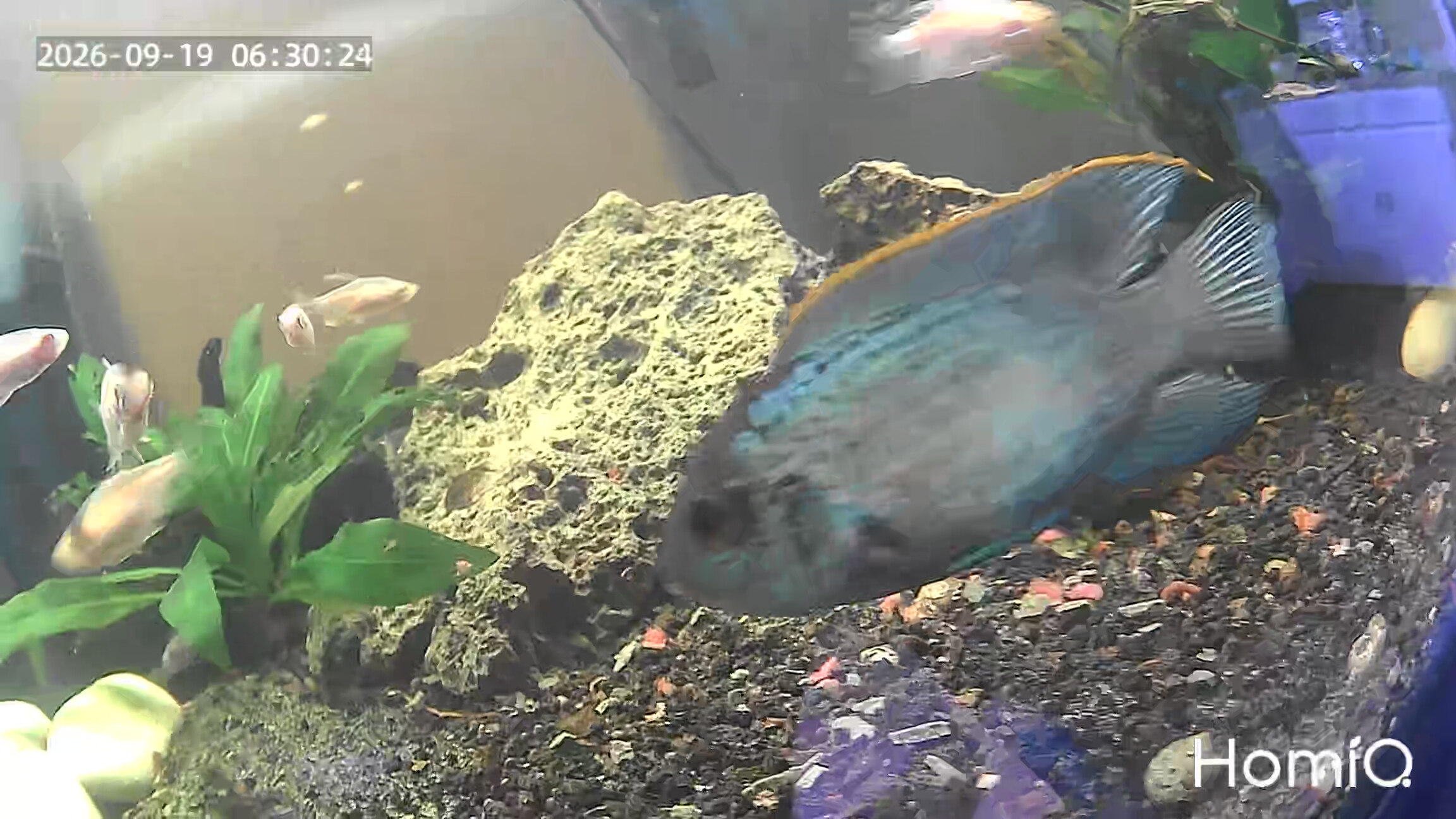
The Electric Blue Acara is a selectively bred ornamental form generally sold under Andinoacara pulcher. It should not be confused with the natural wild-type blue acara phenotype. Selective breeding has intensified the brilliant turquoise-to-electric-blue body coloration that makes this fish so recognizable in the aquarium trade.
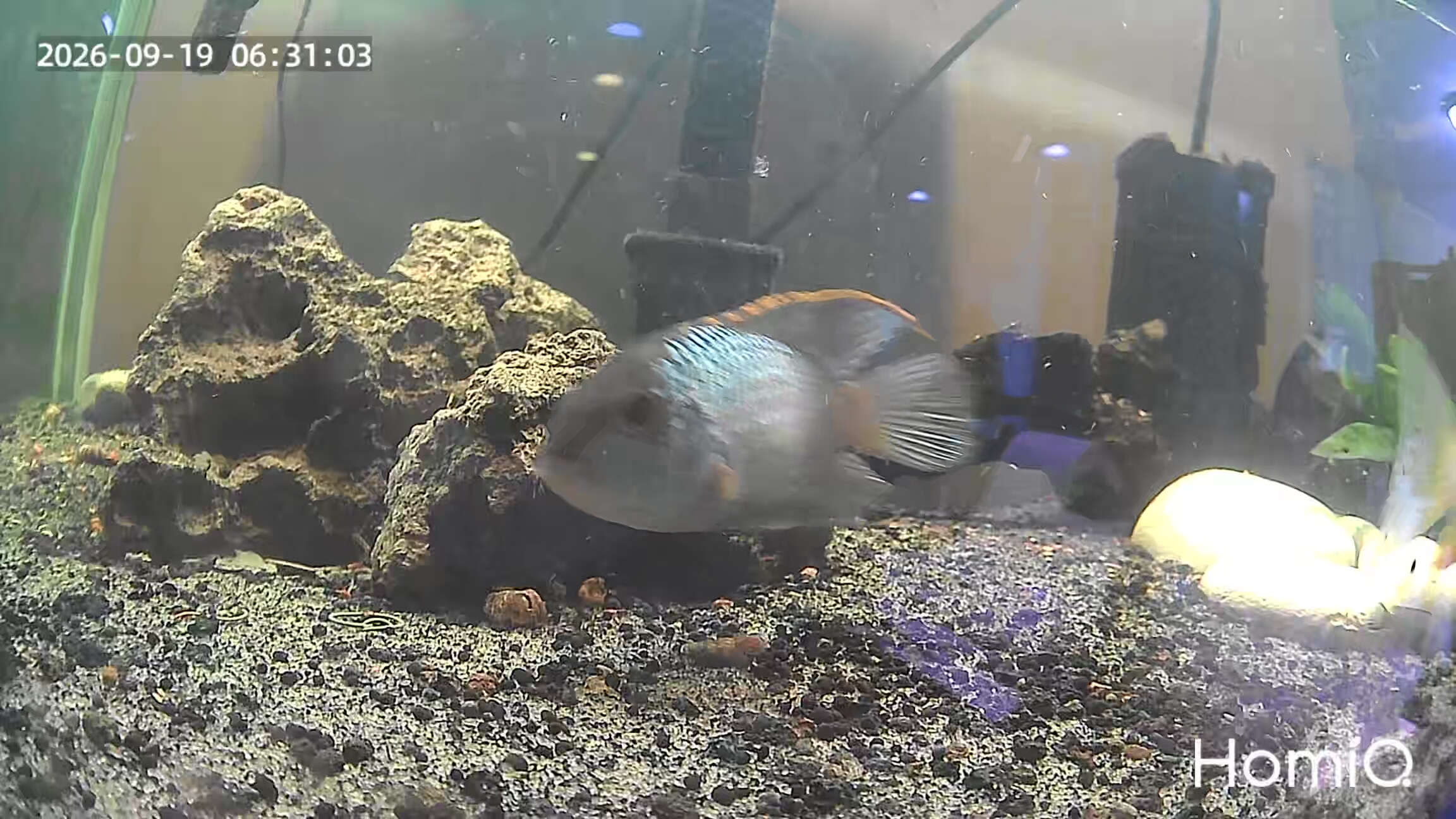
Adults develop a deep-bodied cichlid shape with iridescent blue scales, blue facial patterning, and often a contrasting orange to reddish-orange margin along the dorsal fin. Color intensity can vary with maturity, lighting, social status, feeding, and breeding condition.
Because aquarium lines have been developed for appearance, individuals can differ in body shape, color intensity, fin pattern, and adult size. Provenance and overall morphology are more useful than color alone for identification.
Temperament and Tankmates
Electric Blue Acara are often described as relatively peaceful cichlids, but they are still cichlids. An established adult may defend a preferred cave, rock, feeding area, or section of the aquarium. A bonded pair can become dramatically more territorial once eggs or fry are present.
In a sufficiently large aquarium, suitable tankmates can include robust peaceful-to-semi-aggressive community fish that are too large to be viewed as prey and are not persistent fin nippers. Larger tetras, rainbowfish, compatible Corydoras, appropriately sized plecos, and carefully selected cichlids can work depending on space and individual temperament.
Avoid very small fish that may be swallowed, highly aggressive species that continually challenge the Acara, and slow or delicate fish that cannot retreat from a territorial pair. During breeding, be prepared to separate tankmates if the pair begins controlling too much of the aquarium.
Aquarium Setup
A stable, mature aquarium is more important than an elaborate aquascape. Electric Blue Acara appreciate open swimming space combined with visual barriers and defined territories. Fine gravel or sand works well, with rocks and driftwood arranged securely so digging cannot undermine them.
Rooted plants may be disturbed when adults excavate around a spawning site. Plants attached to wood or rock, such as Anubias and Java fern, are often easier to maintain in a breeding cichlid aquarium. If breeding is a goal, provide at least one broad, relatively flat surface such as slate or smooth stone.
Use dependable biological filtration and maintain strong water quality. A sponge prefilter or air-driven sponge filter is especially useful when fry may be present.
Water Parameters and Maintenance
A practical target range is 72–82°F with a pH of roughly 6.5–8.0. Electric Blue Acara tolerate a reasonably broad hardness range, but stability and cleanliness matter more than chasing one exact number.
Perform regular partial water changes based on stocking level, feeding, filtration, and measured water quality. Breeding pairs and growing fry can create heavy nutrient loads because they are often fed more frequently. Match replacement water reasonably closely for temperature and chemistry rather than making abrupt corrections.
Diet and Feeding
Electric Blue Acara are omnivorous and usually enthusiastic feeders. A quality cichlid pellet or granule can form the base of the diet, supplemented with varied frozen and live foods. Brine shrimp, mysis shrimp, daphnia, quality frozen blends, and occasional bloodworms are commonly accepted.
Conditioning breeders benefits from variety rather than simply increasing quantity. Multiple small meals are generally preferable to one oversized feeding. Uneaten food and chronic overfeeding degrade water quality, which works directly against successful spawning and fry survival.
Sexing Males and Females
Sexing juveniles is difficult and should not be treated as certain based on a single feature. As adults mature, males often become larger and may develop longer or more pointed dorsal and anal fins. The orange dorsal margin can appear more pronounced in some males. Females are often somewhat rounder-bodied, particularly when carrying eggs, and may retain shorter or rounder fin extensions.
Behavior around an established pair can be more informative than appearance alone. Courtship, coordinated site cleaning, ovipositor appearance near spawning, egg laying, and fertilization provide the strongest confirmation of a true pair.
Breeding Behavior
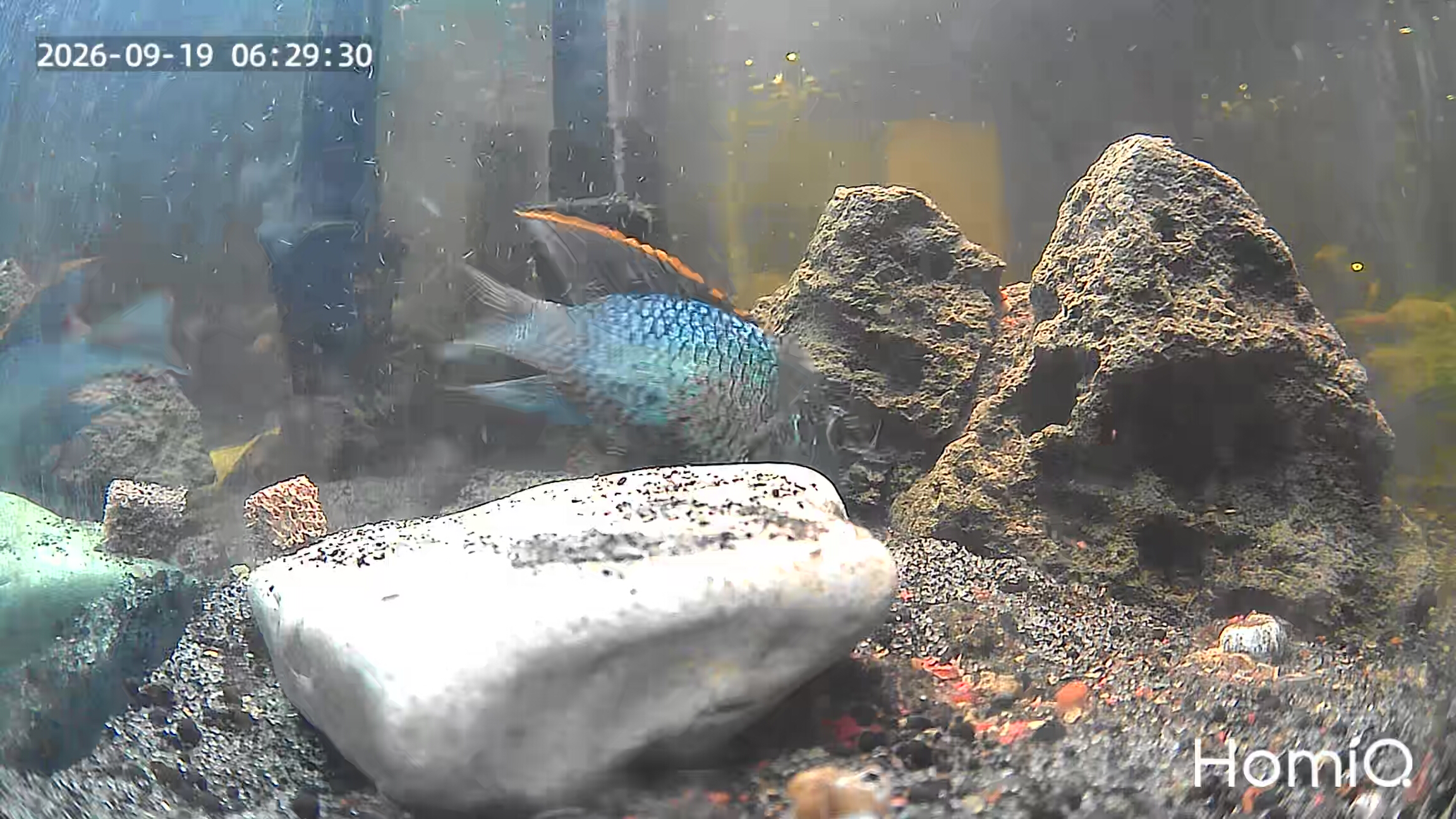
Electric Blue Acara are biparental substrate spawners. A compatible pair typically selects and cleans a flat surface, which may be a rock, slate, broad leaf, or another smooth area. The female deposits eggs in rows while the male follows to fertilize them. Both parents may then fan and guard the clutch.
Clutch size varies with the age, size, condition, and experience of the pair. Young pairs can produce smaller clutches or take several attempts to establish effective parental care.
Once spawning begins, territorial behavior can intensify quickly. The pair may chase other fish away from a large portion of the aquarium, so breeders should monitor both the pair and tankmates closely.
Egg and Fry Development
At warm breeding temperatures, viable eggs often hatch in approximately 48–72 hours. Exact timing varies with temperature and other conditions. Fertile developing eggs usually remain translucent to tan or amber and progressively show embryo development, while infertile or failed eggs commonly become opaque white and may fungus.
After hatching, larvae enter the wriggler stage. They remain largely dependent on their yolk sacs and may be moved by the parents into a prepared pit or protected area. During this stage they are not yet ready for routine external feeding.
Approximately another three days later—sometimes a little earlier or later depending on temperature and development—the fry begin becoming free-swimming. At that point they need suitably small food immediately and frequently.
Typical Development Sequence
- Day 0: Eggs laid and fertilized on a prepared surface.
- Days 1–3: Embryos develop; parents fan and guard the clutch.
- About Days 2–3: Hatching commonly begins.
- Next several days: Wrigglers absorb yolk and may be moved by the parents.
- About 3 days after hatching: Fry commonly begin transitioning to free swimming.
- Free-swimming stage: Begin frequent small feedings and closely protect water quality.
These are practical ranges rather than fixed deadlines. Temperature, oxygenation, genetics, parental behavior, and individual development can shift the timeline.
Raising Electric Blue Acara Fry
Once free swimming, fry can usually take newly hatched baby brine shrimp, microworms, and appropriately sized commercial fry foods. Baby brine shrimp are especially useful because the moving prey stimulates feeding and provides excellent nutrition for early growth.
Feed small amounts several times per day while maintaining clean water. Fry need food density high enough to feed efficiently, but excess food can quickly compromise a nursery tank. Gentle sponge filtration provides biological filtration and aeration without creating the intake risk of an unprotected power filter.
As fry grow, gradually introduce larger crushed pellets, finely crumbled flakes, frozen foods of suitable size, and other high-quality foods. Sort or separate juveniles if substantial size differences develop and monitor for crowding as the brood grows.
DSS Aquatics Breeder Context
DSS Aquatics is documenting an active Electric Blue Acara breeding pair through the complete reproductive cycle. We have observed the pair selecting and defending a spawning area, protecting and fanning eggs, the transition to hatched wigglers, and fry beginning the move toward the free-swimming stage.
The photographs used in this profile come from our own aquarium monitoring footage and intentionally retain their original date/time overlays and HomiO camera watermark. They document the actual fish and breeding environment rather than using generated fish imagery.
Our goal is to continue recording successive spawns, fry counts, growth milestones, parental behavior, and juvenile development so this profile can grow into a deeper breeder-focused record.
Common Problems to Watch For
- Pair aggression: Not every male and female will form a compatible pair. Provide space and be prepared to separate fish.
- Community aggression during spawning: A pair that is normally tolerant may become highly territorial around eggs or fry.
- Egg fungus: Infertile or damaged eggs can fungus. Good water quality, oxygenation, and attentive parental care improve outcomes.
- Poor fry survival: Common causes include inadequate first foods, strong filter intakes, deteriorating water quality, and overcrowding.
- Overfeeding: Heavy conditioning and fry feeding increase waste. Increase maintenance along with feeding.
- Unstable water: Consistency is safer than chasing an exact pH with rapid chemical adjustments.
Related DSS Aquatics Resources
Continue exploring DSS Aquatics:
DSS Aquatics: Learn. Build. Breed. Succeed.